Understanding the New Food Pyramid: 10 Tips for Healthier Eating
You may have heard that new Dietary Guidelines for Americans were recently released.
Many recommendations in the new guidelines remain the same, such as eating plenty of fruits and vegetables, choosing more whole grains, and limiting sugary drinks and highly processed foods high in sodium and/or added sugar. One change is that the new guidelines emphasize higher amounts of protein and promote butter, beef tallow, red meat, and whole milk. However, they also recommend limiting saturated fats, which are high in these foods.
So, what’s the bottom line?

Dr. Michelle McMacken, Executive Director of Nutrition and Lifestyle Medicine, says that a healthy diet “centers on eating more whole, minimally processed foods, such as fruits, vegetables, beans, lentils, chickpeas, nuts, seeds, and whole grains. Healthy eating also means lower amounts of red and processed meats, highly processed grains and sugary foods and drinks.”
When it comes to protein and fat, Dr. McMacken says ““Protein is important, but most adults in the U.S. already meet or exceed their protein needs. What’s key is which protein foods we choose. We should include more protein from plant sources, like beans, lentils, chickpeas, and soy foods. It’s also important to pick healthy fat sources like nuts, seeds, avocados, olive oil, and canola oil, and for those who eat seafood, fatty fish.”
People with chronic health conditions should consult with their health care provider on the new dietary guidelines. Here are 10 tips from Dr. McMacken on what you need to know about healthy eating.
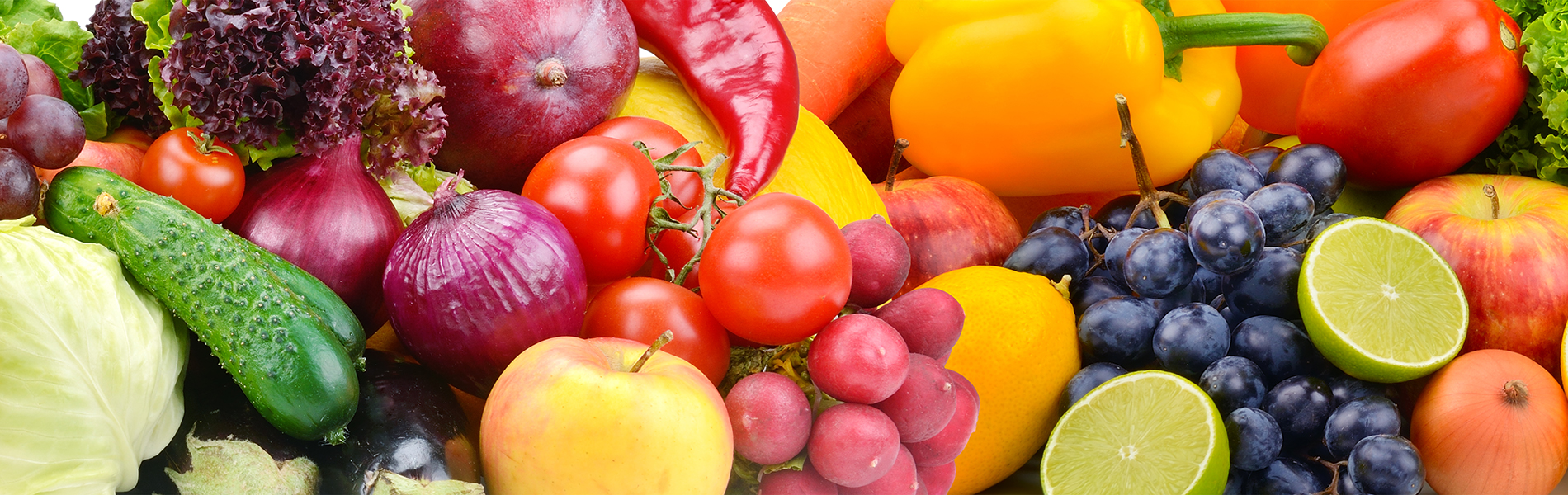
- Eat a colorful variety of vegetables and fruits throughout the day. Aim to fill half of your plate or bowl with non-starchy vegetables like spinach, broccoli, cabbage, and peppers. Start with the veggies you already like! Fresh, frozen, or low-sodium canned vegetables are all options. Enjoy fruit as a snack, dessert, or part of a meal. Eating whole fruit is more nutritious than drinking fruit juice.
- Try more whole grains like rolled oats, corn tortillas, and 100% whole-grain bread, instead of white breads and rolls.
- Eat more plant protein from foods like beans, lentils, chickpeas, split peas, tofu, edamame, nuts, and seeds. Plant protein is linked to a lower risk of heart disease, type 2 diabetes, and certain cancers. If you eat animal proteins, go for seafood, poultry, and low-fat dairy products, and make sure to include plenty of plant protein as well.
- Choose healthy fats from nuts, seeds, avocados, olive oil, canola oil, and for those who eat seafood, fatty fish like salmon or sardines. Avoid deep-fried foods.
- Cook at home when you can. Home-cooked meals tend to be lower in salt, more nutritious, and more affordable than take-out meals.
- Limit saturated fats, which are highest in meats, butter, whole milk, ice cream, cheese, lard, palm oil, and coconut oil and coconut milk. This type of fat raises blood cholesterol and increases the risk of heart disease. For dairy, low-fat or skim are the best options, and unsweetened, calcium-fortified soy milk is a great choice.
- Reduce highly processed foods that are high in sodium and added sugar, like packaged chips, cookies, and candy.
- Avoid sugary drinks such as sodas, sports drinks, and sweetened coffee drinks. Choose plain water, seltzer water, or other unsweetened beverages instead.
- Avoid processed meats such as ham, bacon, hot dogs, deli meats, cold cuts, pepperoni, and sausage. These foods increase the risk of cancer, heart disease, and type 2 diabetes.
- Limit alcoholic beverages – not drinking is the safest choice. Alcohol raises the risk of injuries, liver problems, heart disease, and multiple types of cancer.
More Resources
- Learn about our gourmet Patient Meals.
- Ask your health care provider for a referral to a registered dietitian.
- Check out these nutrition tips from the NYC Department of Health.
- Join the Lifestyle Medicine Programs at NYC Health + Hospitals – check the website to learn more. Call 347-507-3695 to request an appointment or ask your health care provider for a referral.
- Explore delicious recipes here and here!
- If you’re having trouble accessing food, talk to your health care provider. You can also search here for a food pantry or soup kitchen near you.
Top Picks